
A range of chronic conditions can be improved with dietary changes.

Cardio-vascular conditions
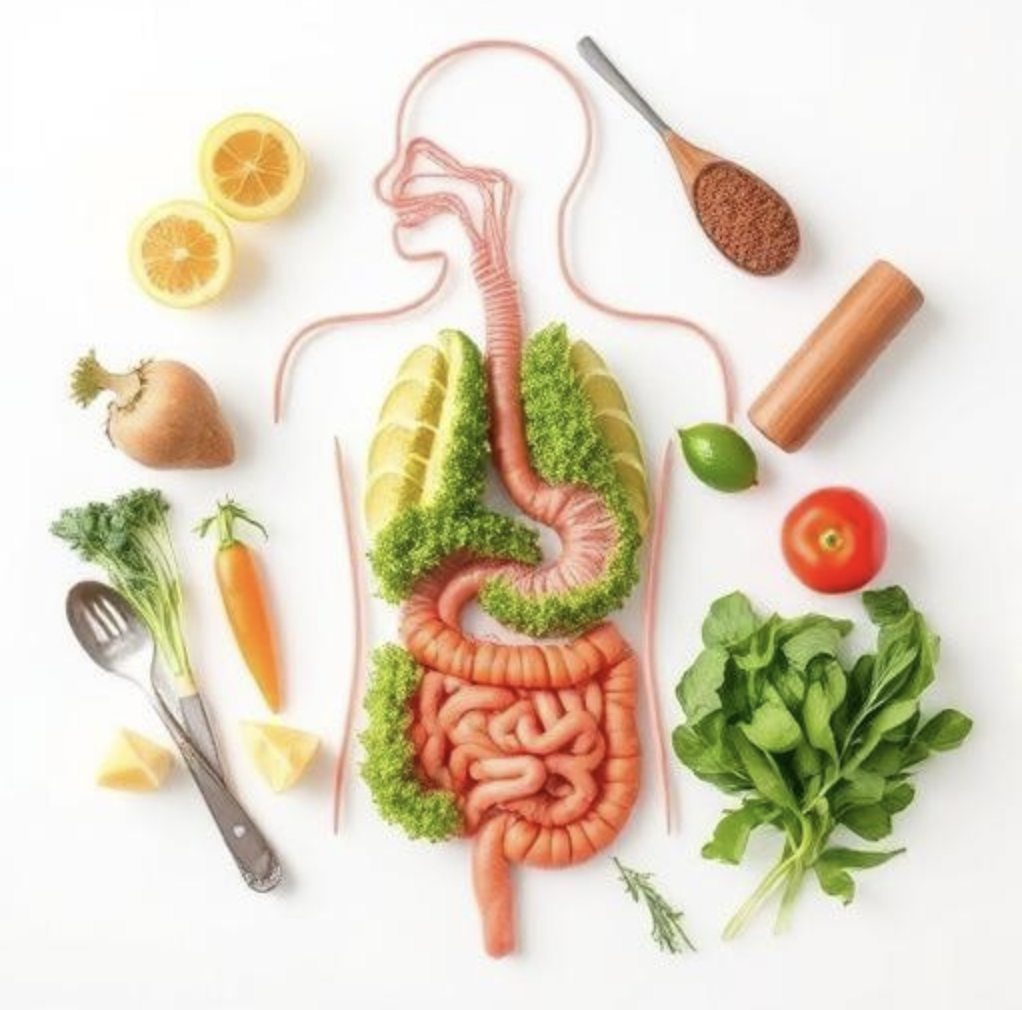
Gastrointestinal conditions

Autoimmune diseases
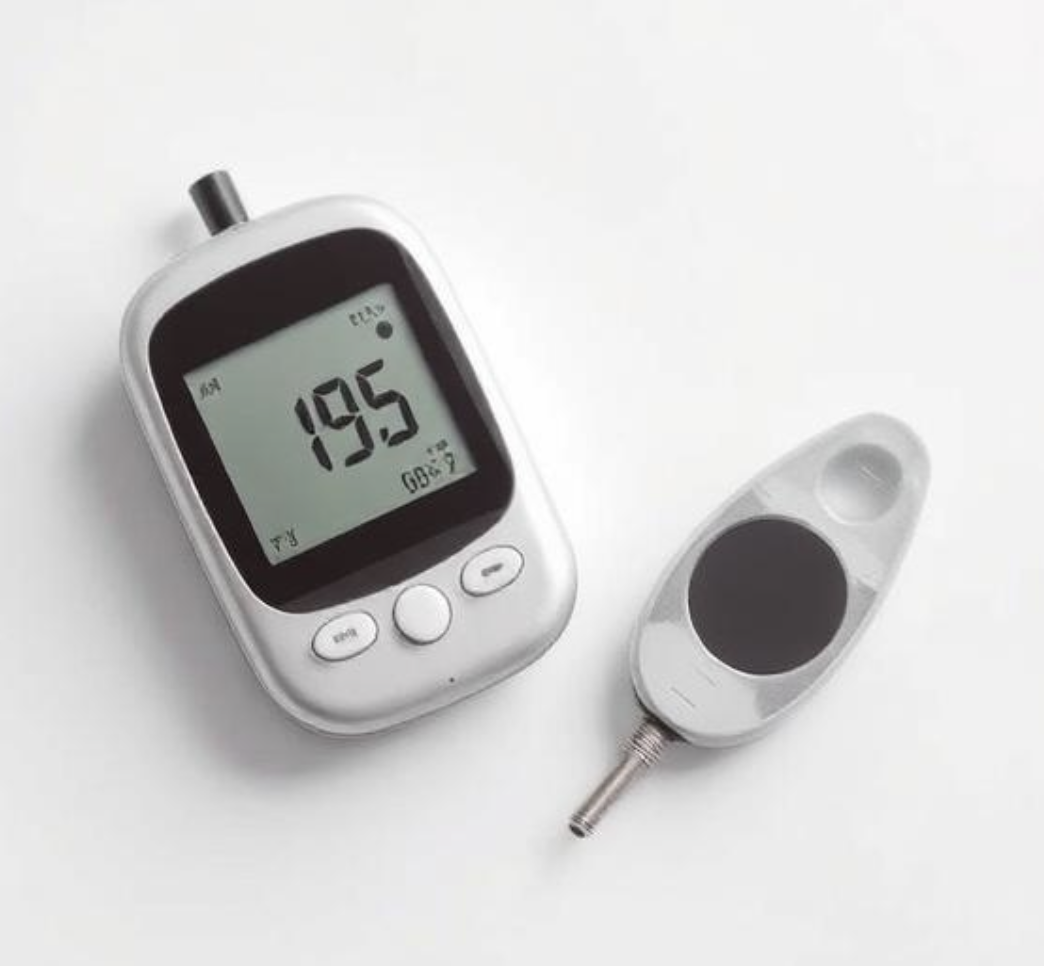
Diabetes mellitus
Below are some but not all of the conditions treated
Gastrointestinal conditions
Inflammatory Bowel Disease
Unfortunately more and more people in Australia are being diagnosed with inflammatory bowel disease, which can affect the large bowel or even the whole gastrointestinal tract.
Inflammatory Bowel Disease (IBD) is a chronic condition that causes inflammation in the digestive tract. Symptoms vary and can range from mild to severe. Inflammatory processes in the gut can affect food digestion and absorption and thereby lead to abdominal pain, diarrhoea, fatigue, and weight loss. Even mental health can be affected and periods of depression and anxiety can accompany physical symptoms.
IBD is a lifelong condition that can significantly impact a person’s quality of life, with periods of flare-ups and remission. Although there is currently no cure, various treatments—such as medication, dietary management, and, in some cases, surgery—can help control symptoms and prevent complications.
With the dietary approach the goal is to reduce the number of flare-ups and to minimise symptoms and maximise nourishment.
While there is no IBD diet as such, some strategies can help to stay in remission and others can help you to manage through a flare-up.
Irritable Bowel Syndrome/ Functional Gastrointestinal Disorder/ Disorder of Gut-Brain Interaction
Irritable Bowel Syndrome (IBS) is a common digestive disorder that affects the function of the gut, causing symptoms such as bloating, abdominal pain, diarrhoea, constipation, or a mix of both. Unlike inflammatory bowel diseases (IBD), IBS does not cause structural damage to the intestines but can significantly impact quality of life. While the exact cause of IBS is not fully understood, factors such as gut-brain interactions, food sensitivities, stress, and changes in gut microbiota are believed to contribute to the condition.
Managing IBS through nutrition is a highly effective approach, as certain foods or drinks can trigger or worsen symptoms. When being diagnosed with IBS following a low-FODMAP diet is not always necessary to achieve improvements. Before going on such a restrictive diet it is worth trying other research-backed strategies first. By personalising dietary choices based on individual triggers and tolerances, many people with IBS can find significant relief and better manage their condition.
Diabetes mellitus
Type 2 Diabetes Mellitus
Type 2 diabetes is a chronic metabolic disorder that occurs when the body becomes resistant to insulin or does not produce enough of it, leading to elevated blood sugar levels. Insulin is a hormone that helps regulate blood glucose by allowing it to enter cells where it is converted into energy.
When insulin resistance develops, glucose builds up in the bloodstream instead of being used effectively, which can cause a whole host of other health issues including heart disease, kidney damage, nerve problems, and vision loss.
While genetic components can play a role in the development of type 2 diabetes, lifestyle factors such as food choices and physical activity can influence outcomes.
Even if you are on medication to treat your elevated blood sugar levels, introducing healthier habits can help to slow the disease progression, prevent later complications and increase your quality of life in the long run, which is the ultimate goal in nutrition management.
Cardiovascular conditions
Elevated blood lipids/ Heart disease
If your doctor has informed you that your blood fats are too high it is worth giving the diet approach a shot. Nutrition plays a crucial role in optimising blood fat levels and reducing the associated risk of cardiovascular disease including heart attacks. A balanced diet can help regulate cholesterol and triglyceride levels. By making informed dietary choices, individuals can effectively manage their blood lipids and support long-term heart health.
Many people suffer with a condition called familial high cholesterol (Hypercholesterolaemia). This is when high blood cholesterol can be caused by a range of genetic factors and diet alone may not be enough to lower your cholesterol to the desired level. In this case your doctor may prescribe some additional medication. Even if you are on cholesterol lowering medication, a heart-healthy diet is still a great choice as it will affect your overall health and wellbeing and not just one blood parameter.
 Peachy Pantry